

Myths vs Facts About Joint Replacement Surgery
Joint pain can make everyday activities difficult — from climbing stairs to simply walking comfortably. For many people suffering from severe knee or hip arthritis, joint replacement surgery offers a life-changing solution. However, despite advancements in modern orthopedic care, many myths still create fear and confusion around the procedure.
Today, with advanced techniques like robotic joint replacement, minimally invasive procedures, and faster rehabilitation programs, recovery is safer and smoother than ever before. Let’s uncover the most common myths and facts about joint replacement surgery so you can make informed decisions about your health.
Myth 1: Joint Replacement Surgery Is Only for Elderly People

One of the biggest misconceptions is that only senior citizens need joint replacement surgery (Myths vs Facts About Joint Replacement).
Fact:
People in their 40s and 50s are increasingly undergoing knee replacement surgery and hip replacement surgery due to sports injuries, arthritis, obesity, or lifestyle-related joint damage. Modern implants are highly durable and designed to last for many years, making surgery a suitable option for younger, active patients as well.
If chronic knee pain is affecting your quality of life, age alone should not stop you from seeking treatment from an orthopedic specialist.
Myth 2: Recovery Takes Many Months of Bed Rest

Many patients fear they will be confined to bed for months after surgery.
Fact:
With today’s advanced orthopedic techniques and enhanced recovery protocols, most patients begin walking within a day or two after surgery. Physiotherapy and guided rehabilitation help patients regain mobility much faster than before.
In fact, many patients return to normal daily activities within a few weeks, depending on their overall health and recovery progress.
Modern robotic knee replacement surgery also improves precision, reduces tissue damage, and supports faster healing (Myths vs Facts About Joint Replacement).
Myth 3: Joint Replacement Surgery Is Extremely Painful

Fear of pain is one of the main reasons people delay surgery.
Fact:
Modern anesthesia, pain management techniques, and minimally invasive surgical methods have made the procedure far more comfortable than people expect. Most patients actually experience relief from the severe chronic joint pain they had before surgery.
After recovery, many patients say they wish they had undergone the procedure earlier because of the dramatic improvement in mobility and comfort (Myths vs Facts About Joint Replacement).
Myth 4: Artificial Joints Do Not Last Long
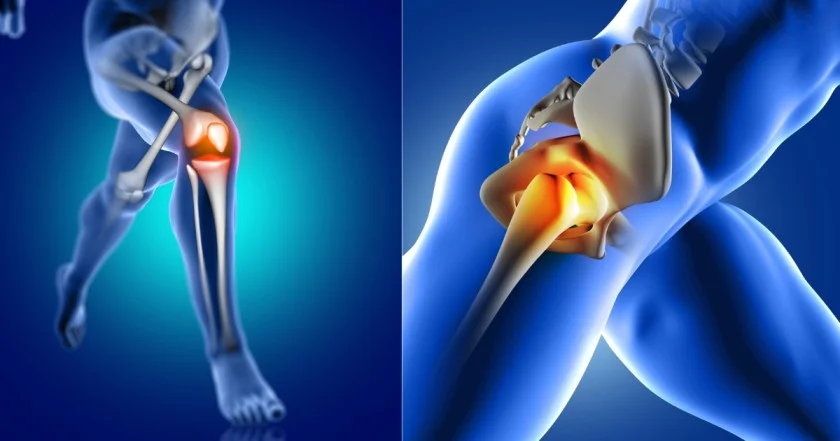
Some people believe joint implants wear out quickly and require repeated surgeries.
Fact:
Today’s advanced implants are built using high-quality materials designed for long-term performance. In many cases, modern knee and hip implants can last 15–25 years or even longer with proper care, healthy weight management, and an active lifestyle.
Technological advancements in orthopedic surgery have significantly improved implant durability and overall success rates (Myths vs Facts About Joint Replacement).
Myth 5: You Cannot Live an Active Life After Joint Replacement

Another common myth is that physical activity becomes limited forever after surgery.
Fact:
Most patients can return to walking, traveling, exercising, and enjoying daily life with reduced pain and improved mobility. Many people even return to low-impact sports such as cycling, swimming, and yoga after proper rehabilitation.
The main goal of joint replacement treatment is to restore movement, independence, and confidence.
When Should You Consider Joint Replacement Surgery?
You should consult an orthopedic surgeon if you experience:
- Persistent knee or hip pain
- Difficulty walking or climbing stairs
- Joint stiffness and swelling
- Pain that affects sleep or daily activities
- Limited relief from medications or physiotherapy
Ignoring these symptoms can worsen joint damage over time. Early consultation helps determine the best treatment plan before the condition becomes severe.
The Future of Joint Replacement Surgery
Orthopedic care is evolving rapidly with innovations like:
- Robotic-assisted knee replacement
- Advanced imaging technology
- Minimally invasive orthopedic surgery
- Personalized rehabilitation programs
- Faster recovery techniques
These advancements have made joint replacement surgery safer, more accurate, and more effective than ever before (Myths vs Facts About Joint Replacement).
Final Thoughts
Joint replacement surgery is no longer something to fear. Modern orthopedic advancements have transformed it into a highly successful procedure that helps patients regain mobility, reduce pain, and improve quality of life (Myths vs Facts About Joint Replacement).
Understanding the truth behind common myths can help patients feel more confident about seeking treatment. If chronic joint pain is limiting your daily activities, consulting an experienced orthopedic surgeon can be the first step toward a healthier, more active life.
Whether it’s knee replacement surgery, hip replacement surgery, or robotic joint replacement, timely treatment can make a remarkable difference in long-term comfort and mobility (Myths vs Facts About Joint Replacement).