
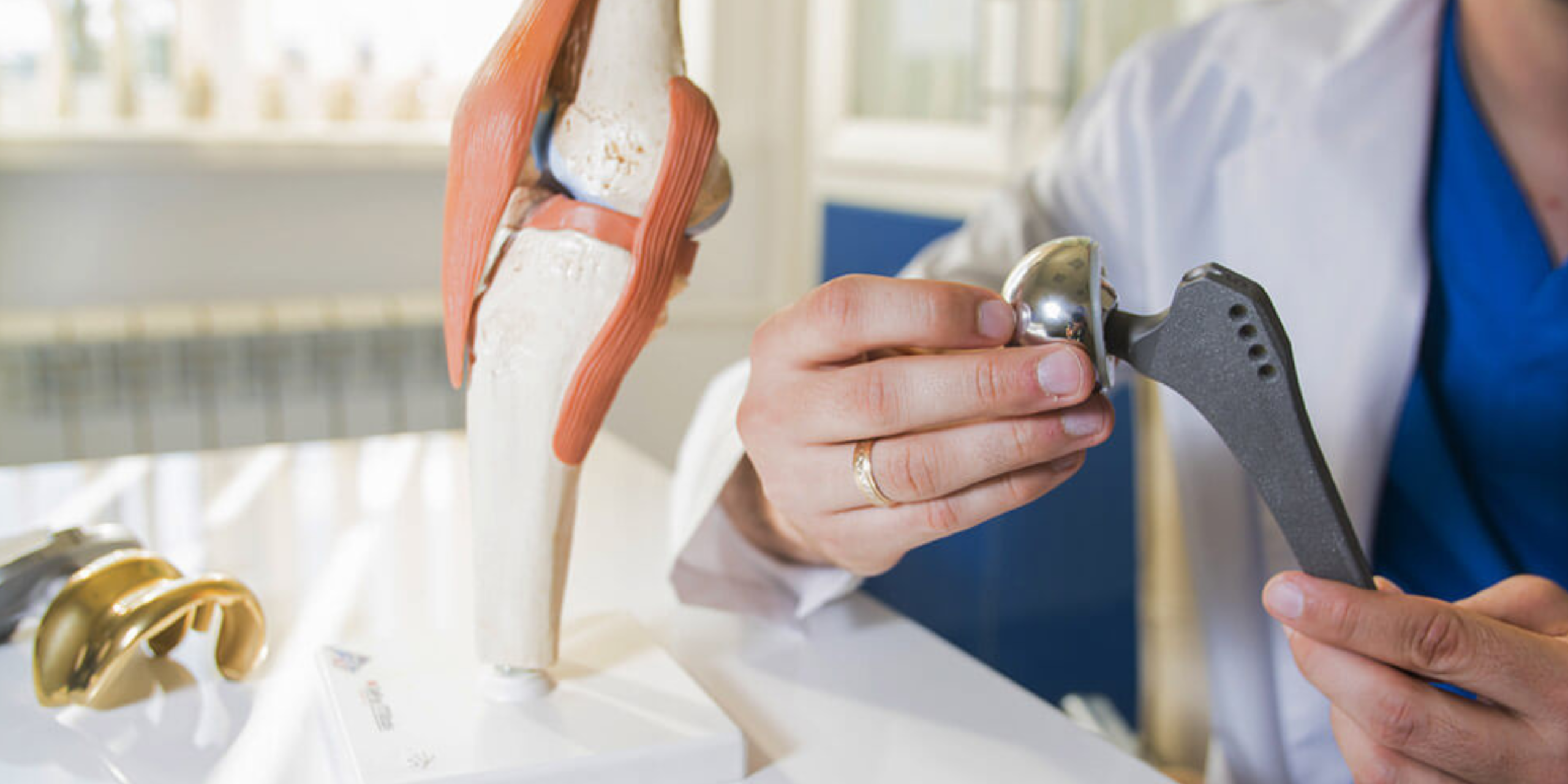
Types of Knee Replacement Surgery: Which Option Is Right for You?
Knee pain caused by arthritis, injury, or cartilage damage can significantly affect daily life. When medications, physiotherapy, and lifestyle changes fail to provide relief, knee replacement surgery becomes one of the most effective long-term solutions.
Thanks to advances in orthopedic technology, there are now several types of knee replacement procedures, each designed for specific conditions and patient needs. Understanding these options can help you make an informed decision together with your orthopedic surgeon.
In this blog, we explain the main types of knee replacement surgery, their benefits, and who they are best suited for.
What Is Knee Replacement Surgery?
Knee replacement surgery, also known as knee arthroplasty, involves removing damaged cartilage and bone from the knee joint and replacing them with artificial implants made of metal, ceramic, or high-grade plastic. The goal is to:
- Relieve chronic knee pain
- Improve joint mobility
- Restore normal knee function
- Enhance overall quality of life
Depending on the extent of damage, surgeons may recommend different types of procedures.
1. Total Knee Replacement (TKR)
Total Knee Replacement (TKR) is the most common type of knee replacement surgery. In this procedure, the entire knee joint surface is replaced with artificial components.
Best For:
- Advanced knee osteoarthritis
- Rheumatoid arthritis
- Severe cartilage loss
- Significant knee deformity
Key Benefits:
- Reliable and long-lasting pain relief
- Improved walking and daily activity performance
- High success rate with excellent long-term outcomes
Total knee replacement is considered the gold standard for patients with widespread joint damage (Types of Knee Replacement Surgery).
2. Partial Knee Replacement (PKR)
Partial Knee Replacement, also called unicompartmental knee replacement, replaces only the damaged portion of the knee rather than the entire joint.
Best For:
- Arthritis limited to one compartment
- Intact ligaments
- Good knee stability
Key Benefits:
- Smaller incision
- Faster recovery time
- More natural knee movement
- Less bone removal
Patients often experience quicker rehabilitation compared to total knee replacement (Types of Knee Replacement Surgery).
3. Minimally Invasive Knee Replacement
This technique uses smaller incisions and specialized instruments to perform knee replacement with minimal tissue disruption.
Best For:
- Suitable candidates without severe deformity
- Patients seeking quicker recovery
Key Benefits:
- Less postoperative pain
- Shorter hospital stay
- Smaller scars
- Faster return to daily activities
Not all patients qualify, and proper evaluation is essential (Types of Knee Replacement Surgery).
4. Robotic-Assisted Knee Replacement
Robotic knee replacement surgery uses computer-guided robotic systems to assist surgeons in precise implant positioning.
Best For:
- Patients seeking highly accurate alignment
- Individuals concerned about implant longevity
Key Benefits:
- Greater surgical precision
- Customized implant placement
- Reduced risk of complications
- Improved functional outcomes
Robotic technology enhances surgeon accuracy but does not replace surgical expertise (Types of Knee Replacement Surgery).
5. Revision Knee Replacement
A revision knee replacement is performed when a previous knee implant fails, loosens, becomes infected, or wears out.
Best For:
- Failed primary knee replacement
- Implant loosening or instability
- Chronic pain after knee surgery
Key Benefits:
- Restores function
- Relieves pain
- Corrects implant-related problems
Revision surgeries are more complex and require an experienced orthopedic surgeon.
6. Bilateral Knee Replacement
In this procedure, both knees are replaced either during the same operation or in two separate stages.
Best For:
- Severe arthritis in both knees
- Patients medically fit for longer surgery
Key Benefits:
- Single hospitalization (if done together)
- One rehabilitation period
- Overall faster return to normal life
Your surgeon will decide whether simultaneous or staged surgery is safer.
How to Choose the Right Type of Knee Replacement?
Choosing the best procedure depends on several factors:
- Age and activity level
- Severity and location of arthritis
- Bone quality
- Overall health condition
- Lifestyle expectations
A thorough evaluation by an experienced orthopedic surgeon, including X-rays and clinical examination, is essential before finalizing the treatment plan (Types of Knee Replacement Surgery).
Life After Knee Replacement
Most patients experience significant pain relief and improved mobility after surgery. With proper rehabilitation:
- Walking becomes easier
- Stiffness reduces
- Daily activities improve
- Quality of life increases
Following physiotherapy and post-surgical guidelines plays a vital role in long-term success.
Final Thoughts
There is no one-size-fits-all solution when it comes to knee replacement surgery. Understanding the different types of knee replacement procedures empowers patients to make informed decisions and achieve the best possible outcomes (Types of Knee Replacement Surgery).
If chronic knee pain is limiting your lifestyle, consult a qualified orthopedic surgeon to determine the most suitable treatment option for you.